 Grenoble Hub
Defensive Transition Analysis
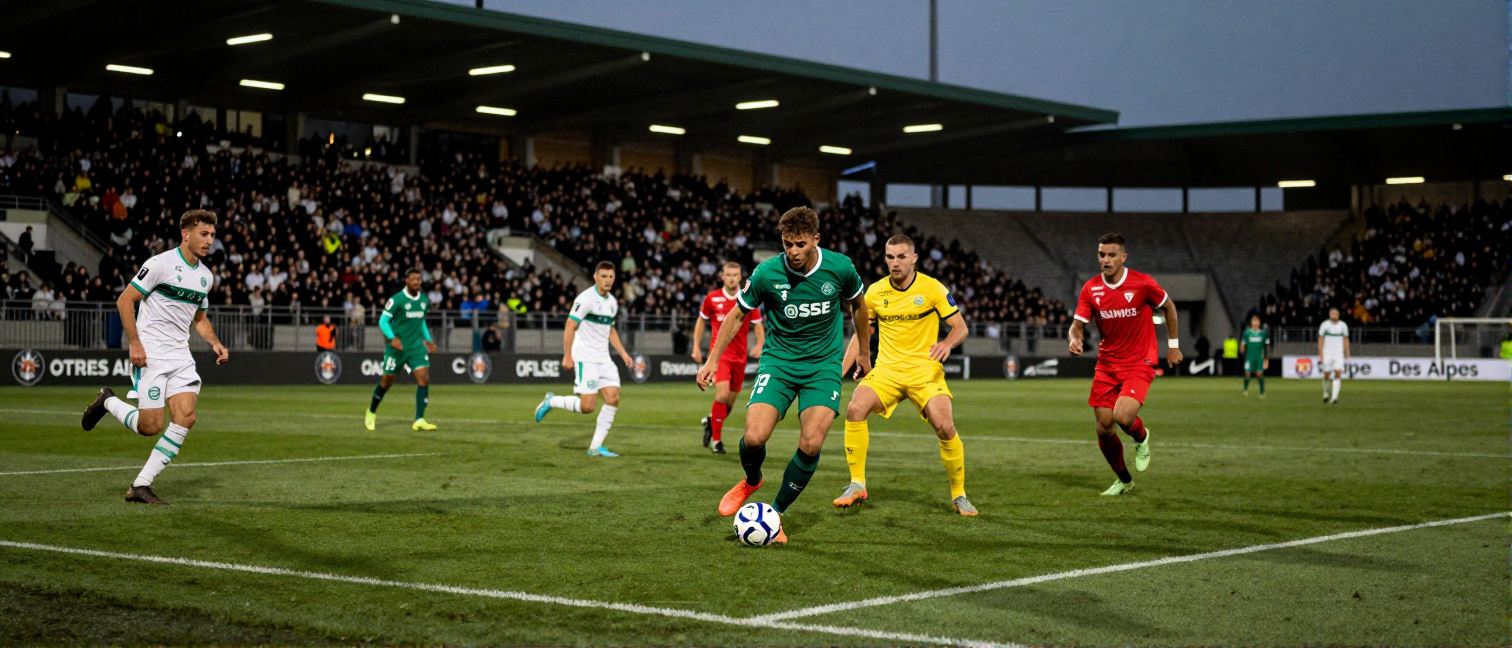
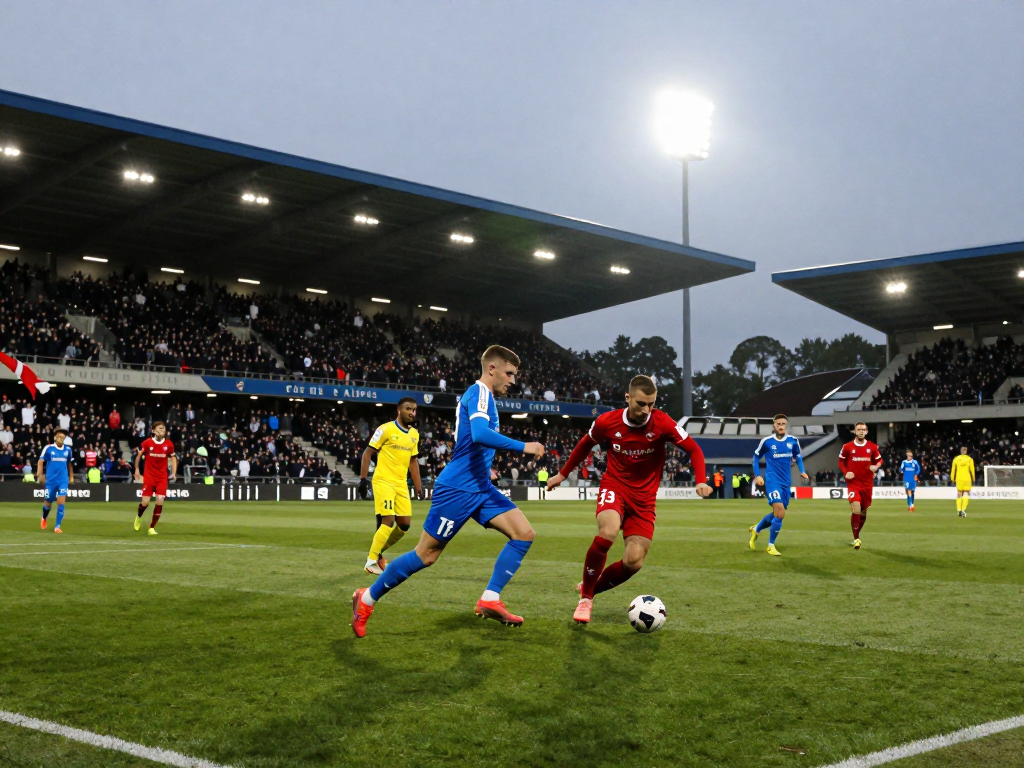
In recent weeks, Grenoble has displayed a certain fluidity in attack, with dynamic movements and creative combinations. However, this liveliness has often translated into vulnerabilities in defense, particularly during transition phases. The players' ability to quickly reorganize after losing the ball is crucial to avoid rapid counterattacks from opponents.
Identified Issues
In recent matches, it has become evident that several players, especially in midfield, struggle to make a quick return to defense. This slowness in reorganizing leaves exploitable spaces for opposing teams. Furthermore, the lack of communication between defenders and midfielders has often led to situations where the team is outnumbered, allowing opponents to create clear chances.
Tactical Suggestions
1. Strengthen the Role of Defensive Midfielders: It is imperative that midfielders are instructed to anticipate ball losses and reposition themselves immediately. By playing a more defensive role during attacking phases, they can help maintain a solid defensive line.
2. Implement Coordinated Pressing: Establish a pressing system where each player has a clear responsibility. This requires constant communication and synchronization between lines, allowing for quicker ball recovery and smoother transitions.
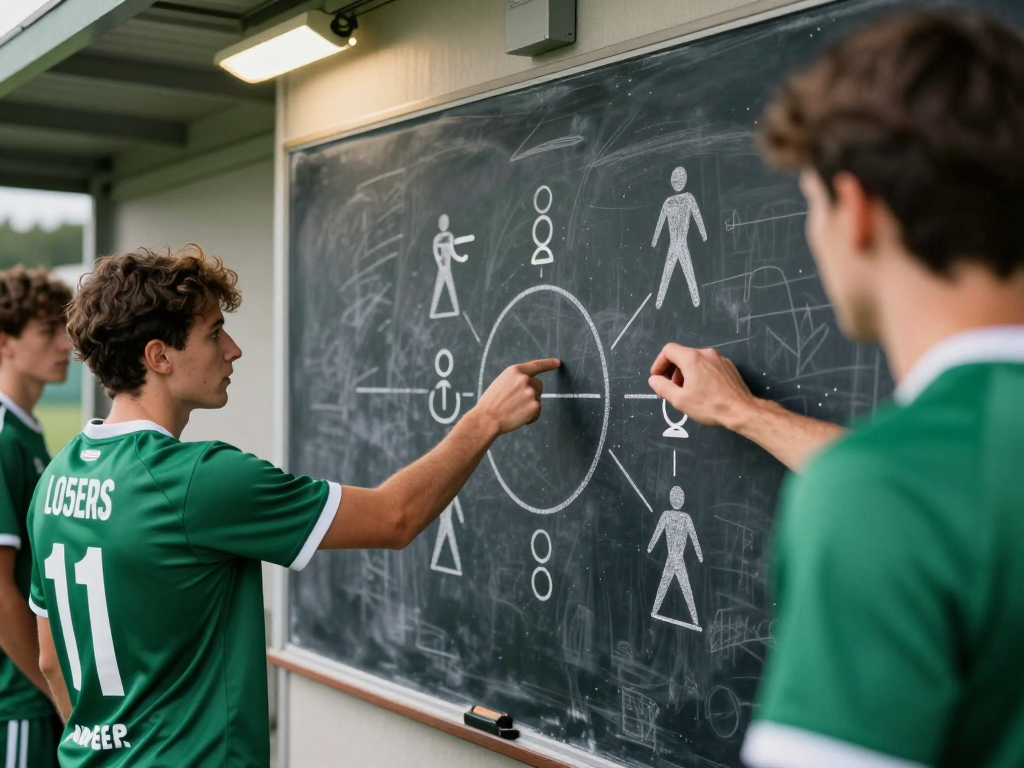
3. Utilize Video Technology: Analyzing game sequences through video can help players understand their mistakes during transitions. Debriefing sessions could be organized to discuss best practices and necessary adjustments.
Conclusion
By adapting these strategies, Grenoble can not only improve its defensive solidity but also assert its playing identity. An effective defensive transition will allow Les Grenoblois to maintain control of matches and maximize their chances of success in Ligue 2.