 Grenoble Hub
An Alarming Reality for Grenoble
The city of Grenoble, nestled in the heart of the French Alps, isn't just known for its picturesque landscapes and its football team, Les Grenoblois. Unfortunately, it’s also confronting an alarming reality: the rise of drug trafficking in the region. Recent reports have highlighted the expansion of this plague, affecting not only public safety but also the daily lives of residents.
The Impact of Drug Trafficking on the Community
Drug trafficking isn't just a crime problem; it’s a threat that alters the very fabric of the Grenoble community. Drug-related operations often lead to violence, gang tensions, and an increase in crimes associated with illicit substance use.
Residents of Grenoble are voicing their concerns about this situation. Parents fear for their children's safety, while shopkeepers notice a decrease in foot traffic in their stores, particularly in neighborhoods affected by this issue. Léa, a town resident, shares her experience: "I no longer feel safe going out in the evening. It’s sad to see my city change so rapidly."
- The most affected neighborhoods are often those with high population density.
- Young people are the most vulnerable to the influence of traffickers.
- Local authorities are ramping up their efforts to combat this phenomenon.
The Response from Local Authorities
In response to this growing threat, Grenoble authorities have implemented several initiatives. The municipal police, in collaboration with the national gendarmerie, is intensifying patrols and controls in sensitive areas. Targeted operations have been carried out to dismantle drug distribution networks, but the scale of the problem remains concerning.
Local officials emphasize the need for a holistic approach that goes beyond repression. Awareness and prevention programs are also underway to inform young people about the dangers of drug use. Michel, a local elected official, stated: "We must protect our youth and provide them with the necessary tools to face this threat."
What This Means for Football in Grenoble
The challenges posed by drug trafficking have unexpected repercussions on football in Grenoble. Les Grenoblois, competing in Ligue 2, are noticing a decline in enthusiasm among supporters. Security issues related to crime might deter some fans from attending matches at the Stade des Alpes to cheer on their team.
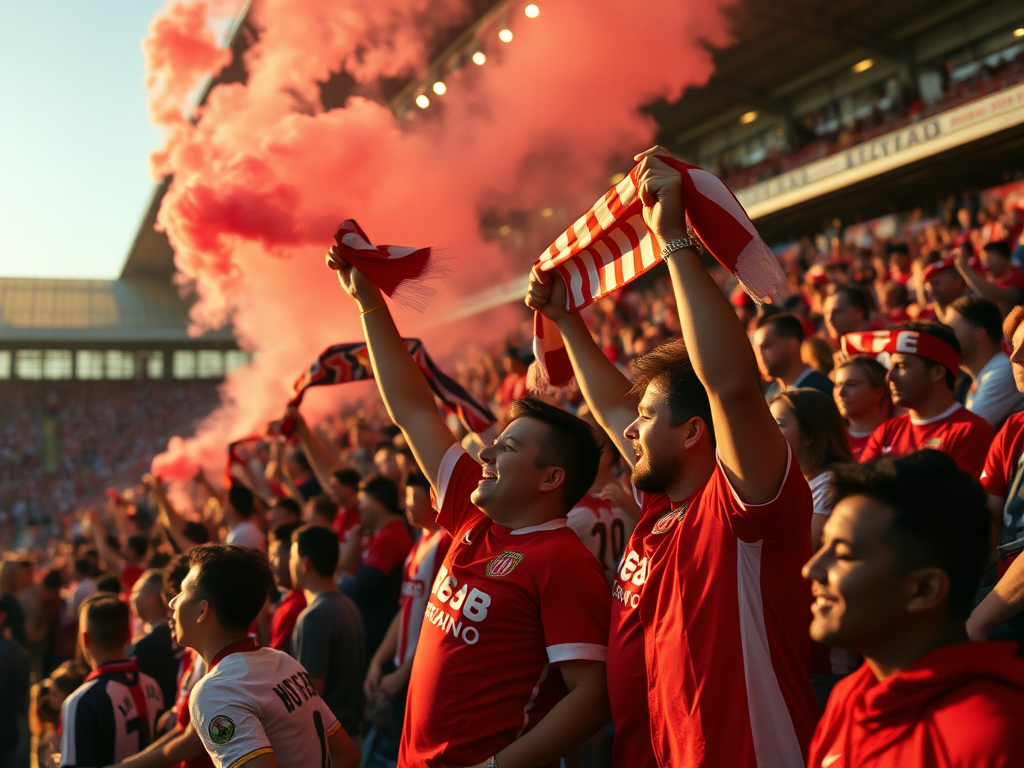
Supporters' clubs, which play a crucial role in matchday atmosphere, are also affected. The ambiance during games can be altered by a prevailing sense of insecurity. Club officials are aware of this issue and are working with authorities to ensure a safe environment for spectators.
Fan Reactions and Engagement
Grenoble supporters, passionate and dedicated, aren't indifferent to this situation. On forums and social media, they express their frustration over the rise in drug trafficking and its implications for their city and team.
- Many call for stronger actions from authorities.
- Some suggest creating community events to strengthen bonds and promote a positive environment.
- Others, however, fear this situation might tarnish Grenoble’s image externally.
What This Means for Grenoble
The challenges posed by drug trafficking risk changing the dynamics of Grenoble in the long term. If the situation doesn't improve, it could have lasting consequences on public safety, the local economy, and even the culture of sports. For football fans, this means less passion and enthusiasm around matches, a reality few could have imagined.
However, the people of Grenoble have always shown resilience. Community initiatives and supporter engagement could create a counterbalance to these challenges. By uniting their forces, they can hope to restore an atmosphere of safety and engagement around their team and city.
What’s Next?
The efforts of authorities, while commendable, require ongoing attention and a proactive approach. The fight against drug trafficking in Grenoble cannot happen without the involvement of all community stakeholders. Parents, educators, and even local businesses must play an active role in raising awareness and protecting the youth.
For Grenoblois, the future depends on the city’s ability to overcome these obstacles. The coming weeks will be crucial to assess the effectiveness of the measures taken. In the meantime, the hope for a revival for Grenoble and its supporters remains alive.